

In September 2026, our team at Biomedics Products took part in first aid and fire safety training, as part of our occupational health and safety programme. The main lesson was a simple one: emergency equipment is not enough on its own. Knowing what to do when something goes wrong is what saves lives.
Here is what we covered, and what Occupational Safety and Health (OHS) guidelines expect of every workplace.
First aid: the three Ps
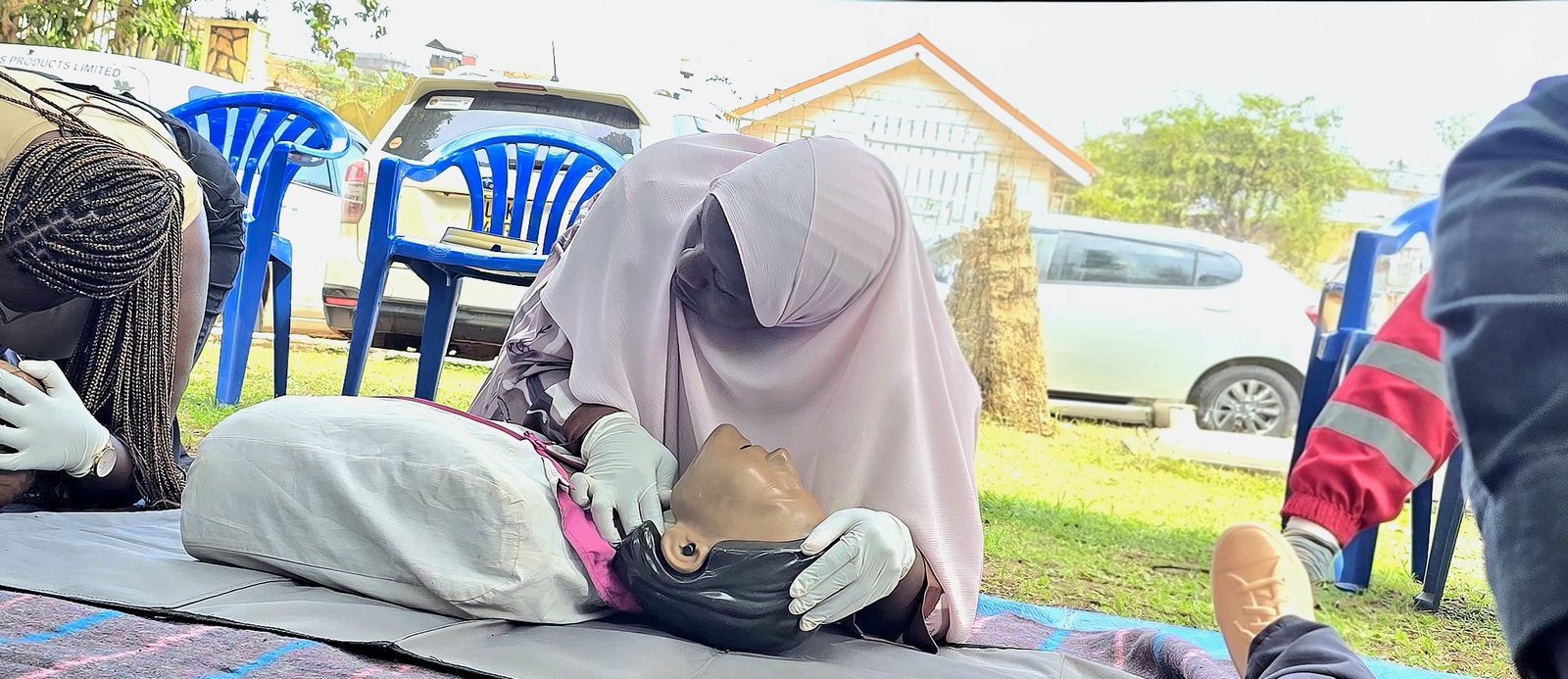
First aid rests on three goals:
- Preserve life. Put the safety and survival of the affected person first.
- Prevent further deterioration. Act to stop the condition from getting worse.
- Promote recovery. Support the person with timely help until professionals take over.
A good first aider stays calm, knows what to do, is willing to help and acts promptly. Skills such as CPR can make the difference in a life-threatening emergency.
What OHS guidelines expect
- First aid kits that are well stocked, easy to reach and checked regularly
- Trained first aiders, in numbers that suit the size and risk of the workplace
- Clear emergency communication, so everyone knows who to call and how
- Provision for an ambulance or a standby vehicle in an emergency
Fire safety: know how fire behaves
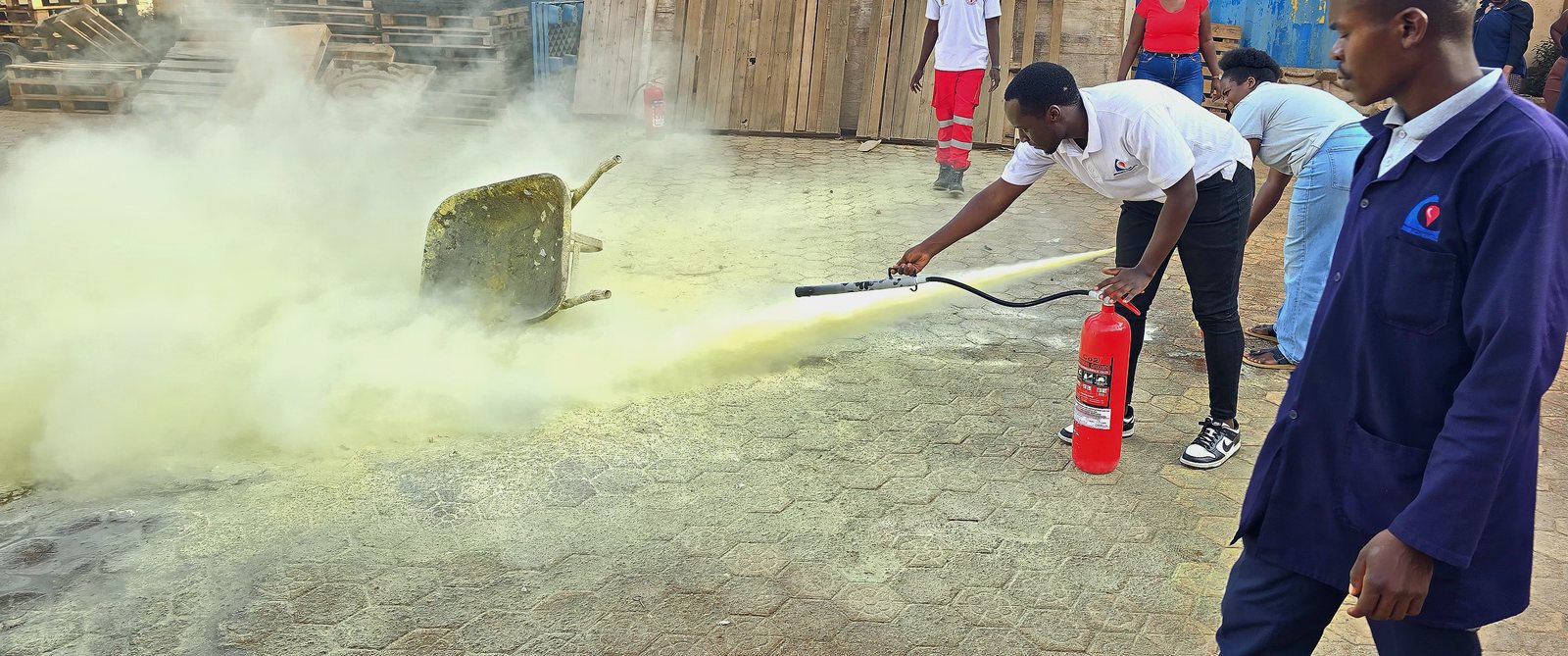
Fire spreads upwards, forms a V-shaped pattern and follows whatever fuel is available. It also moves through stages: incipient (early), growth, fully developed and decay. The incipient stage is the best window for safe intervention. After that, evacuation is the priority.
Fires are grouped into classes by what is burning: ordinary combustibles, flammable liquids, flammable gases, electrical equipment, metals and cooking oils. Each class needs the right extinguisher. Water, foam, CO2, dry powder and wet chemical extinguishers are not interchangeable, and using the wrong one can make a fire worse.
What OHS guidelines expect
- Fire extinguishers matched to the risks present, serviced regularly and placed where people can reach them
- Clearly marked exits, unobstructed escape routes and designated assembly points
- Fire alarms and detection systems that work
- Regular fire drills, so staff can evacuate calmly
- Training on how to use an extinguisher safely
Why training matters
Compliance is not only about having a first aid kit on the wall or an extinguisher by the door. It is about people who know how to use them. Equipment can fail, be out of reach or sit unused if nobody feels confident enough to act. Knowing what to do in an emergency is worth more than simply having something to use.
A safe workplace combines four things:
- Knowledge: regular first aid and fire safety training
- Preparedness: drills, kits, alarms and clear procedures
- Confidence: staff who can respond calmly
- Accountability: employers and employees each playing their part under OHS law
Safety is a shared responsibility
Employers must provide the equipment, the training and the systems. Employees must learn them, follow them and speak up about hazards. When both do their part, the workplace becomes safer for everyone.
At Biomedics Products, health and safety is part of how we work every day. We are certified to ISO 45001:2018 for occupational health and safety management, and you can view the certificate in our company profile.